Tropical Aquariums: Creating a Natural and Balanced Environment for Tropical Fish
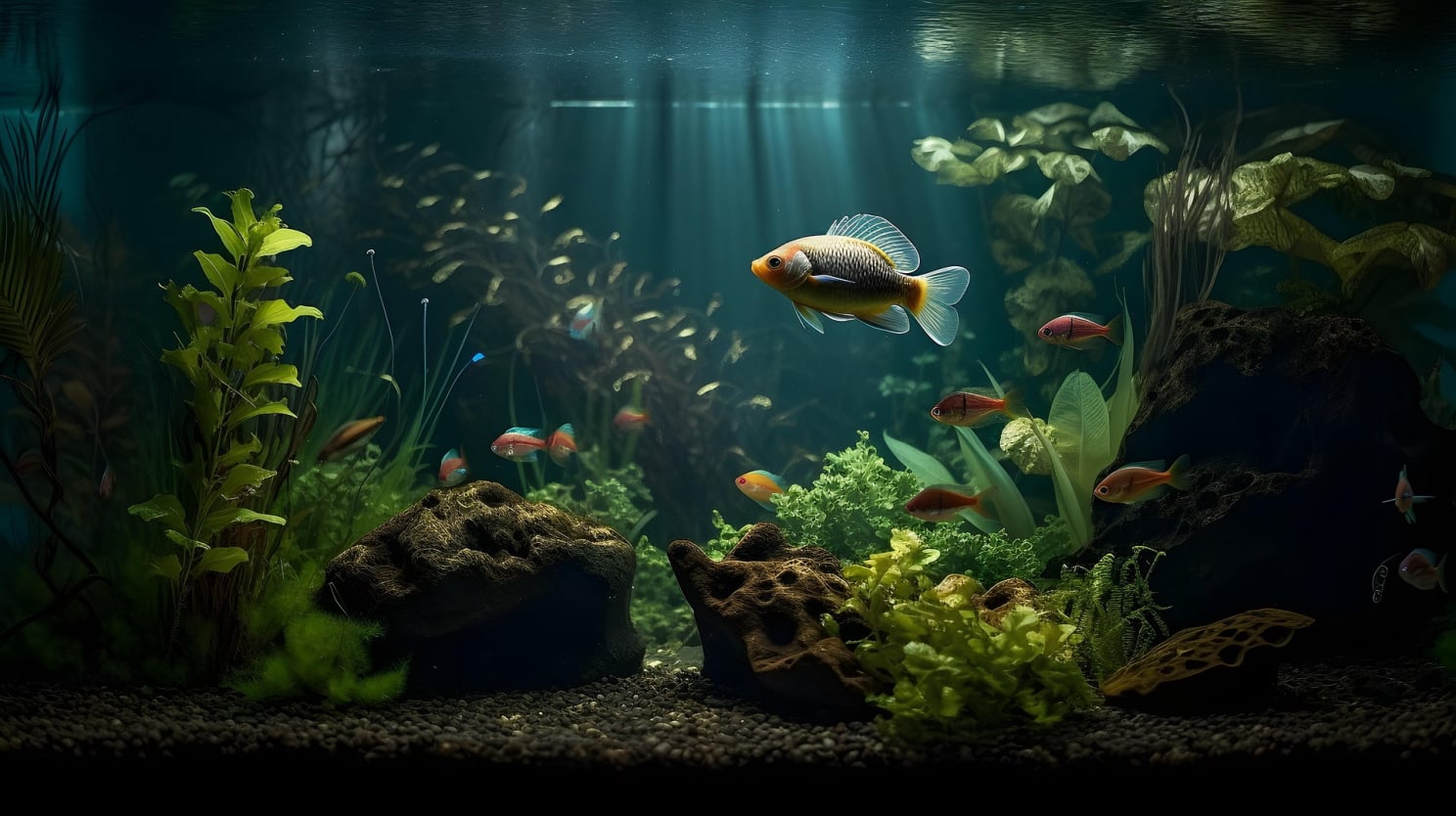
Keeping tropical fish successfully is largely about creating stability. Fish live continuously within the water surrounding them, which means changes in temperature, chemistry and water quality can directly affect their health. A visually attractive aquarium is therefore only part of the objective. Behind the plants, rocks and colourful fish should be a functioning biological environment capable of processing waste and maintaining suitable conditions.
Tropical aquariums can be designed in many different ways, ranging from simple community tanks containing hardy freshwater fish to heavily planted displays and aquariums designed around species from particular natural habitats. Whatever style is chosen, the basic principles remain similar: provide sufficient space, establish effective biological filtration, maintain an appropriate temperature and select fish whose environmental and behavioural requirements are compatible.
Planning should begin before purchasing fish. Tank dimensions, available space within the home and the type of aquarium being created should all be considered together. A common assumption is that a small aquarium will be easier for a beginner, but a larger body of water can actually provide greater stability. Waste products become concentrated more quickly in very small tanks, and temperature or water chemistry can change faster.
The position of the aquarium can also influence how easily it can be maintained. Direct sunlight may encourage algae and cause unwanted temperature changes, while placing a tank close to a radiator can make temperature control more difficult. The aquarium should also stand on a surface capable of supporting its considerable filled weight. Water itself weighs approximately one kilogram per litre before the weight of the aquarium, substrate, rocks and equipment is considered.
Access is another practical issue. Regular water changes are considerably easier when the aquarium is reasonably close to a water source and there is sufficient space around it for maintenance. Electrical equipment such as filters, heaters and lights also requires appropriately positioned power supplies.
Building a Healthy Aquarium Ecosystem
Filtration is one of the most important parts of aquarium design because fish continuously produce waste. Uneaten food, plant material and other organic matter also break down within the water.
A filter helps manage this waste through mechanical and biological processes. Mechanical filtration physically captures particles suspended in the water, while biological filtration provides surfaces where beneficial microorganisms can develop.
These bacteria are fundamental to the aquarium nitrogen cycle. Fish waste and decomposing organic material can produce ammonia, which is toxic to fish. Beneficial bacteria convert ammonia into nitrite, which is also harmful, before other bacteria convert nitrite into nitrate.
Nitrate is generally less immediately toxic but gradually accumulates, which is one reason partial water changes remain necessary even when an aquarium has an effective filter.
This biological process does not become established immediately when a new aquarium is filled. A new filter needs time to develop an adequate bacterial population, a process commonly referred to as cycling the aquarium.
Understanding this process can prevent one of the most common problems encountered by new fishkeepers: introducing too many fish before the biological filtration can process their waste.
Water testing allows the development and condition of the aquarium to be monitored. Ammonia and nitrite are particularly important in newly established systems, while nitrate provides useful information about longer-term waste accumulation.
Temperature also needs to remain suitable for the species being kept. A thermostatically controlled aquarium heater is normally used to maintain tropical conditions, while a separate thermometer allows the actual water temperature to be checked.
Different tropical species originate from different environments, so fish should not simply be grouped together because they are all described as tropical. Preferred temperature, pH, water hardness and behaviour can vary considerably.
The aquarium layout can help create a more natural and secure environment. Plants, rocks, wood and other suitable decorations provide visual structure while giving fish places to hide and establish territories.
Live plants can be particularly useful. In addition to creating a natural appearance, healthy plants use nutrients from the water and provide shelter for fish. Some species are relatively easy to maintain, while others require stronger lighting, additional nutrients or more specialised conditions.
Lighting should provide an appropriate day-and-night cycle rather than remaining switched on continuously. A timer can make this consistent. Excessively long lighting periods combined with available nutrients can encourage unwanted algae growth.
Substrate also contributes to the character of the aquarium. Gravel is widely used, while sand may be more appropriate for fish that naturally forage or spend considerable time near the bottom. Planted aquariums may use specialist substrates capable of supporting root growth.
Creating the Right Fish Community
Fish selection is where careful research becomes particularly important. Tropical fish sold when young can vary enormously in their eventual adult size, behaviour and requirements.
A fish measuring only a few centimetres in a shop may eventually become unsuitable for a modest home aquarium. Adult size should therefore always be researched rather than assuming that the fish will remain approximately the size at which it was purchased.
Behaviour is equally important. Many popular tropical species are peaceful and suitable for community tanks, but others are territorial, predatory or aggressive. Even relatively peaceful fish can sometimes become problematic if they are kept in inappropriate numbers.
Schooling fish provide a good example. Species that naturally live in groups may become stressed or behave unusually when kept individually or in very small numbers. Providing an appropriate group can result in more natural behaviour.
Different species also occupy different parts of the aquarium. Some remain close to the surface, others primarily inhabit open water and bottom-dwelling species spend much of their time around the substrate. Considering these natural behaviours can help create a balanced community without overcrowding one area.
Stocking should be gradual. Adding large numbers of fish simultaneously creates a sudden increase in waste that the biological filter may not be able to process immediately.
Feeding needs similar restraint. Providing more food than the fish require does not improve their health. Uneaten food decomposes, adding unnecessary organic waste and potentially contributing to poor water quality.
The correct diet will depend on the species. Flakes and pellets provide convenient staple foods for many fish, while frozen, live or specialist foods may be appropriate for particular species. Bottom feeders may require sinking foods because they cannot always compete effectively with fish feeding at the surface.
Observation is one of the most useful habits a fishkeeper can develop. Healthy fish generally display consistent swimming, feeding and social behaviour. A sudden change can provide an early indication that something is wrong.
Fish repeatedly remaining at the surface, breathing unusually rapidly, hiding excessively or refusing food may indicate a health or environmental problem. Checking temperature and water parameters provides a logical starting point before assuming that medication is required.
Routine maintenance should focus on maintaining stability. Partial water changes remove accumulated nitrate and other dissolved substances while allowing the majority of the established aquarium environment to remain undisturbed.
Replacement water should be appropriately treated where necessary to deal with chlorine or chloramine, and substantial temperature differences should be avoided.
Filters also require maintenance, but cleaning should preserve the beneficial bacteria living within biological media. Sterilising the entire filter during every cleaning can damage the biological system responsible for processing fish waste.
Aquarium glass may need periodic cleaning to control algae, while debris can be removed from suitable substrates during water changes. The amount of maintenance required will depend on stocking, feeding, plant growth and the overall design of the aquarium.
New fish deserve particular attention before being added to an established community. Introducing livestock from another system can potentially introduce parasites or disease. A separate quarantine aquarium can provide a controlled environment for observing new fish before they join the main display, particularly for established or valuable collections.
Equipment should also be monitored rather than assumed to be working correctly. Filters can become restricted, heaters can fail and lighting equipment eventually requires maintenance or replacement. A quick daily visual check can identify many problems before they become serious.
Over time, a successful aquarium develops into a relatively stable ecosystem. Fish, plants, microorganisms and filtration processes interact continuously, and the fishkeeper's role becomes one of managing that environment rather than constantly interfering with it.
Making repeated major adjustments to water chemistry or completely cleaning the aquarium can sometimes cause greater instability than allowing small natural variations. Consistency is generally preferable to chasing theoretically perfect conditions, provided the water remains suitable for the species being kept.
Ultimately, successful tropical aquariums combine responsible fish selection with stable water conditions, effective biological filtration and regular but measured maintenance. Taking time to understand the nitrogen cycle, researching species before purchase and avoiding overstocking can prevent many common fishkeeping problems. The result can be a healthy, natural-looking aquatic environment that provides an interesting and constantly changing feature within the home.