Understanding Residential Renovation Projects
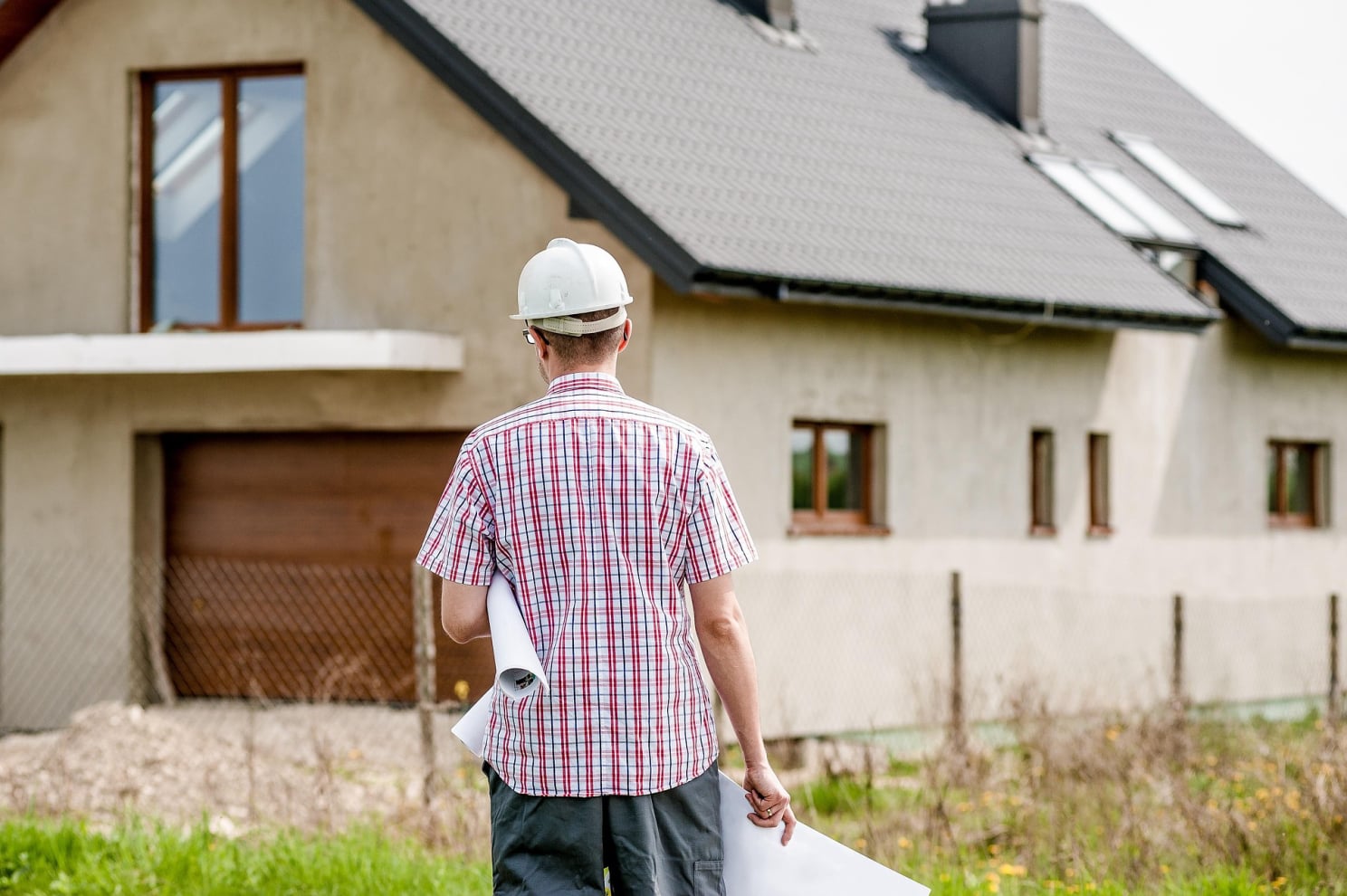
Residential renovation is a process that combines planning, design and construction to improve the functionality and condition of a property. Companies such as Hampstead Renovations Limited operate within this sector, focusing on upgrading existing homes while maintaining structural integrity and usability. The principles behind renovation projects remain consistent across the industry, regardless of the specific provider.
Renovation work can range from minor interior updates to full property refurbishments. Common projects include kitchen and bathroom upgrades, reconfiguring layouts, and improving overall living space. These changes are often driven by the need to modernise older properties or adapt them to current lifestyle requirements.
In areas with established housing stock, many properties require updates to meet modern standards. Electrical systems, plumbing and insulation may no longer perform efficiently, making upgrades necessary. Addressing these elements is a key part of ensuring that renovated properties are safe and suitable for long-term use.
Planning is one of the most important stages of any renovation project. This involves assessing the current condition of the property, identifying required improvements and establishing a clear scope of work. Surveys and inspections are often used to identify potential structural or technical issues before construction begins.
Regulatory compliance is also an important consideration. Renovation projects must meet building regulations, particularly when structural changes or system upgrades are involved. In some cases, planning permission may be required, depending on the nature and scale of the work being carried out.
Structural alterations are often included in larger renovation projects. This can involve removing or modifying walls, reinforcing existing structures or extending the building footprint. These changes require careful planning to ensure that the property remains safe and stable.
Interior improvements are another key aspect of renovation. Updating finishes, fixtures and fittings can significantly improve the appearance and usability of a space. Modern design approaches often focus on open layouts, natural light and efficient use of space.
Energy efficiency has become a major consideration in renovation work. Improvements such as better insulation, upgraded windows and efficient heating systems can reduce energy consumption and improve comfort. These upgrades are increasingly included as part of standard renovation projects.
Coordination between different trades is essential for successful project delivery. Builders, electricians, plumbers and other specialists must work together to ensure that each stage of the renovation is completed correctly. Effective communication helps prevent delays and ensures that work progresses as planned.
Challenges can arise during renovation projects, particularly in older properties. Hidden defects, outdated materials and structural limitations may only become apparent once work is underway. Allowing for flexibility in planning and budgeting helps manage these situations effectively.
Health and safety is a priority throughout the renovation process. Safe working practices, proper use of materials and adherence to regulations are essential for protecting both workers and occupants. This is particularly important in projects involving structural changes or complex installations.
The term Hampstead renovations is often associated with projects carried out in areas with distinctive architectural styles, where maintaining the character of properties is important. Renovation work in these settings typically involves balancing preservation with modernisation.
Property value can also be influenced by renovation work. Improvements to layout, condition and efficiency can make a property more appealing, although the primary focus is usually on enhancing usability and comfort for occupants.
Sustainability is becoming an increasingly important factor in renovation. Reusing materials, reducing waste and incorporating energy-efficient solutions contribute to more environmentally responsible practices.
Ultimately, residential renovation is about improving existing properties to meet modern needs while maintaining their core structure. By combining careful planning with skilled execution, renovation projects can enhance both functionality and long-term value.
Understanding the key stages and considerations involved helps provide a clear picture of how renovation work is approached within the industry, including by companies such as Hampstead Renovations Limited.