Buy Large Planters for Gardens, Patios and Commercial Spaces
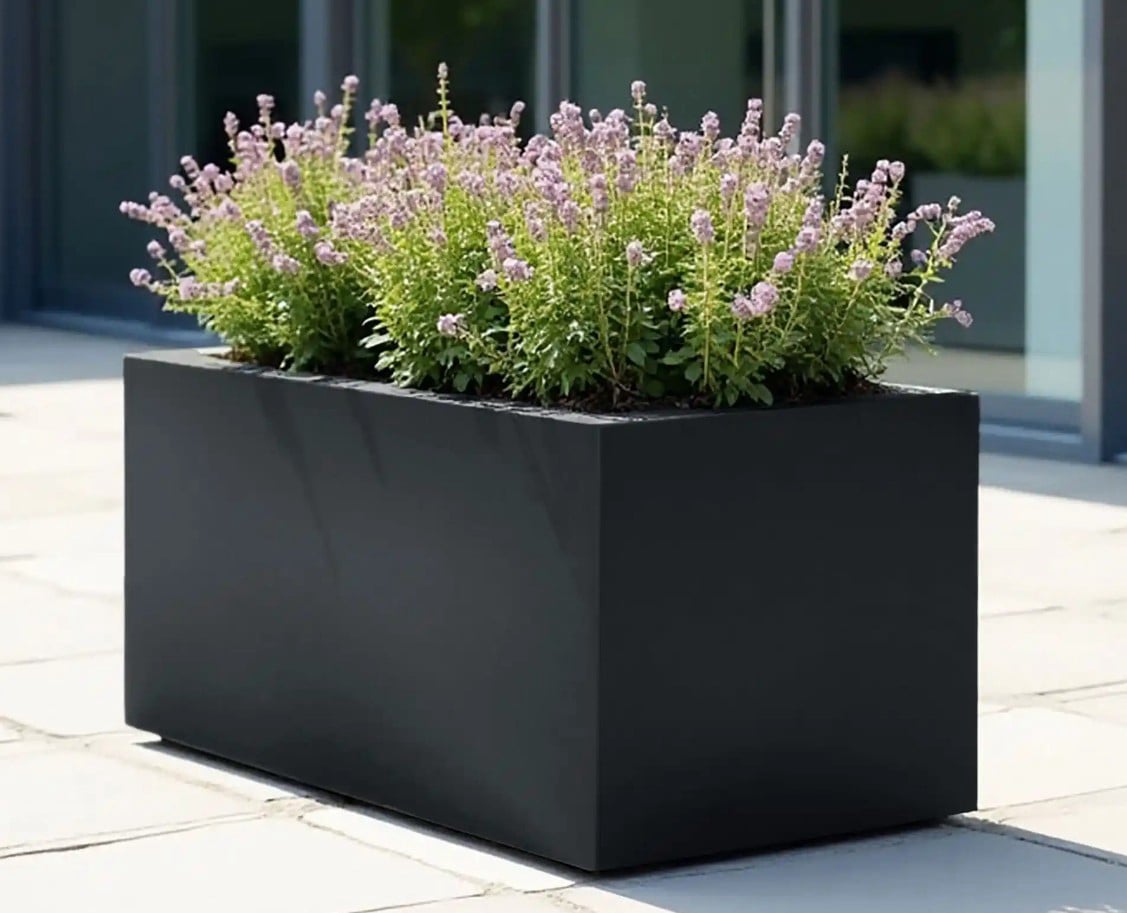
Large planters are a practical and attractive way to add structure, greenery and style to outdoor spaces. They can be used in gardens, patios, courtyards, balconies, entrances and commercial settings to create focal points or define different areas. Whether used for shrubs, small trees, grasses or seasonal planting, the right planter can transform a plain space into something more inviting.
Buy large planters is a search often made by people looking for durable, stylish and practical containers for outdoor or indoor planting. Large planters are available in many shapes, sizes and materials, so it is important to choose options that suit the space, the plants and the level of maintenance required. A well-chosen planter should look good while supporting healthy plant growth.
One of the main reasons people choose large planters is flexibility. Unlike fixed flower beds, planters can be positioned where they have the most visual impact. They can frame a doorway, line a pathway, soften a patio edge or create privacy around seating areas. This makes them useful for both domestic gardens and business premises.
Size is one of the most important considerations. A planter should be large enough to allow roots to grow and hold enough compost to support the plant. Small containers can dry out quickly and restrict growth, while larger planters provide more stability and moisture retention. This is especially important for shrubs, trees and taller plants.
The material of the planter affects both appearance and performance. Plastic and resin planters are often lightweight and easy to move, making them suitable for patios and balconies. Terracotta offers a traditional look but can be heavy and may need protection in cold weather. Metal planters can create a modern finish, while stone, concrete and fibreclay options provide weight and durability.
Drainage is essential when choosing a planter. Without proper drainage, water can collect at the base and damage plant roots. Outdoor planters should usually have drainage holes, and it may be helpful to raise them slightly off the ground to allow water to escape. Good drainage supports healthier plants and reduces the risk of waterlogging.
The style of planter should match the surrounding space. A sleek rectangular planter can work well in a modern garden, while round or textured pots may suit more traditional settings. Matching planters can create a formal and coordinated look, while mixing sizes and shapes can make the space feel more relaxed and natural.
Large planters are also useful for creating privacy. Tall grasses, bamboo, bay trees and evergreen shrubs can be planted in containers to screen seating areas, boundaries or overlooked spaces. This can be a good solution where permanent fencing or planting is not possible. It also allows privacy screening to be adjusted if the layout changes.
For commercial spaces, large planters can improve entrances, outdoor dining areas, office fronts and retail spaces. They help create a welcoming appearance and can guide foot traffic or separate areas without the need for permanent barriers. In hospitality settings, planters can make outdoor seating feel more comfortable and attractive.
Plant choice matters just as much as planter choice. Evergreen plants provide year-round structure, while flowering plants add seasonal colour. Ornamental grasses bring movement and texture, and small trees can add height. The best plants will depend on sunlight, exposure, watering needs and the overall design style.
Maintenance should also be considered before buying. Larger planters may need less frequent watering than small pots, but they still require care. Plants may need feeding, pruning, watering and occasional replacement. The planter itself should also be checked for cracks, blocked drainage or weather damage.
Weight is another practical factor. Once filled with compost, water and plants, a large planter can become very heavy. It is sensible to decide on its position before filling it. For roof terraces, balconies or raised decking, weight limits should be checked before using very large or heavy containers.
Large planters can also be used indoors in offices, reception areas, conservatories and large living spaces. Indoor planters should be paired with suitable liners, saucers or self-watering systems to prevent leaks and protect flooring. They can help bring natural texture and greenery into interior spaces.
In summary, buy large planters is a useful search for anyone looking to improve a garden, patio, balcony, entrance or commercial outdoor area. The best planters combine the right size, material, drainage, style and durability for the intended space. With careful selection and suitable planting, large planters can create attractive, flexible and long-lasting displays.