Aquarium Rental: Why Managed Aquariums Work Well in Offices and Commercial Spaces
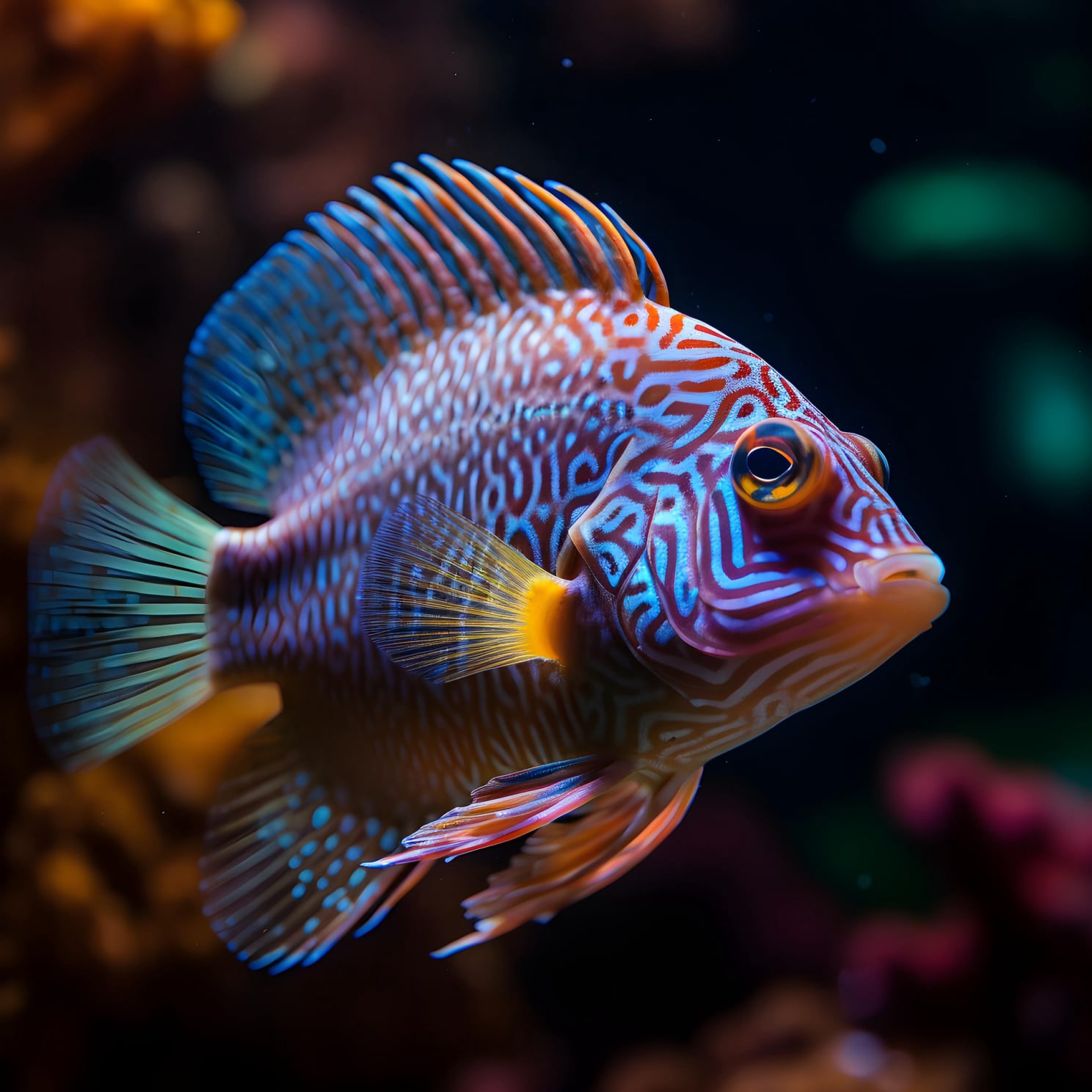
Creating an attractive commercial environment is about more than furniture, lighting and decoration. Businesses increasingly look for features that make reception areas, waiting rooms and communal spaces feel more welcoming without making them cluttered. An aquarium can achieve this by introducing natural movement, colour and a constantly changing focal point, although maintaining one properly requires ongoing specialist care.
Aquarium rental allows businesses to introduce an aquarium without necessarily purchasing the complete installation or taking responsibility for its ongoing management. Depending on the service agreement, the aquarium, filtration equipment, lighting, fish, plants or decoration and regular maintenance can all form part of a managed package. This approach can be particularly useful for organisations that want an impressive aquarium but do not have employees with the time or experience required to look after one correctly.
The potential locations are extremely varied. Corporate offices may use an aquarium as a feature within a reception or breakout area, while hotels and restaurants can incorporate them into customer-facing interiors. Aquariums can also work particularly well in waiting environments such as dental practices, healthcare facilities and other professional premises where visitors may spend time sitting in one location.
An aquarium differs from conventional decoration because it is never completely static. Fish move around the display, plants develop and changes in lighting can alter its appearance throughout the day. This can make even a relatively simple installation visually engaging without requiring a particularly elaborate interior design.
Commercial aquariums do, however, need to be planned carefully. A large tank can contain hundreds of kilograms of water before the weight of the glass, cabinet, substrate and decorative materials is considered. The floor and supporting furniture therefore need to be appropriate for the installation.
Positioning also affects both appearance and maintenance. The aquarium should ideally be visible from the main areas where people will see it while remaining accessible for servicing. Installing a tank in a narrow recess may create an attractive built-in appearance, but sufficient access still needs to be available for cleaning, filter maintenance and equipment replacement.
Direct sunlight is usually undesirable because it can contribute to algae growth and temperature variation. Heat from radiators or other sources can also make maintaining stable water temperatures more difficult. Nearby electrical supplies and practical access to water should be considered during the planning stage rather than after installation.
Designing a Commercial Aquarium
The design should reflect both the available space and the environment in which the aquarium will be located. A busy reception may benefit from a prominent display containing colourful schooling fish, while a quieter professional environment may suit a more restrained planted design.
Aquarium size should be chosen according to the available space, livestock and desired visual impact rather than simply selecting the largest possible option. Larger aquariums can provide greater water stability, but they also require more substantial supporting structures and potentially more complex equipment.
Tank proportions can have a considerable effect on appearance. Long aquariums provide extensive swimming space and work particularly well along walls, while taller tanks can create an impressive vertical feature where floor space is limited.
Aquarium furniture should also complement the surrounding interior. Cabinets can conceal filtration equipment, electrical components and maintenance items while giving the installation a more integrated appearance.
Inside the aquarium, the combination of substrate, plants, rock and wood determines much of its visual character. Natural-looking layouts can create depth by combining different heights and textures while leaving open areas where fish can swim visibly.
Live plants can provide an attractive appearance while creating shelter and structure for fish. They do, however, introduce their own lighting and maintenance requirements. Artificial planting can provide a more predictable alternative where minimal plant management is preferred.
Fish selection should always consider compatibility and adult size. A commercial aquarium is not simply a display cabinet that can be filled with whichever fish provide the greatest variety of colours.
Some fish naturally live in groups and display their most characteristic behaviour when kept in appropriate numbers. A large school of one compatible species can sometimes create greater visual impact than a collection of unrelated individual fish.
Other species may occupy the lower or upper areas of the aquarium, allowing a carefully selected community to create activity throughout the entire display.
The biological capacity of the system must also be considered. Every fish produces waste, and increasing the number of fish increases the demand placed on the filtration system.
What Managed Aquarium Maintenance Involves
One of the principal advantages of aquarium rental is the possibility of combining the installation with ongoing professional maintenance. The precise arrangement varies between providers, so businesses should establish exactly what is included within any agreement.
An aquarium is a living ecosystem that requires regular attention. Filtration systems remove debris and support beneficial microorganisms that process fish waste, but filters still need periodic inspection and maintenance.
The biological side of filtration is particularly important. Fish waste produces ammonia, which is toxic. Beneficial bacteria convert ammonia into nitrite and subsequently into nitrate as part of the nitrogen cycle.
These bacterial populations take time to establish, which means a newly installed aquarium should not simply be filled immediately with its maximum intended fish population. Stocking needs to reflect the maturity and capacity of the biological filtration system.
Regular water testing helps monitor conditions that cannot be assessed simply by looking at the tank. An aquarium can appear perfectly clear while containing undesirable concentrations of dissolved substances.
Partial water changes are therefore a routine part of aquarium maintenance. Replacing some of the water helps control nitrate and other accumulated substances while allowing the established biological environment to remain largely undisturbed.
Algae also requires management. Some algae growth is perfectly normal in an established aquarium, but excessive growth can affect its appearance. Lighting duration, nutrient levels and maintenance all influence how quickly algae develops.
The glass, substrate and decorative materials may consequently require periodic cleaning. In a commercial setting this can be especially important because the aquarium is often intended to remain a prominent visual feature.
Equipment needs similar attention. Pumps, filters, heaters and lighting operate for extended periods and may eventually require servicing or replacement. Regular inspections can identify developing problems before they cause an obvious deterioration in the aquarium.
Fish health also needs to be monitored. Changes in behaviour, feeding or physical appearance can indicate environmental problems or illness. Early intervention is generally preferable to waiting until a problem becomes severe.
Businesses considering a rental service should establish how these responsibilities are divided. Some managed services may include scheduled maintenance and livestock care, while others may require employees to carry out routine feeding between visits.
If employees are responsible for feeding, instructions should be clear. Multiple members of staff independently feeding the fish can easily result in overfeeding, which introduces unnecessary waste and can reduce water quality.
Automatic feeding systems may be suitable in some circumstances, although these still need to be checked and refilled.
The response to equipment failures should also be considered. A failed filter or heater can become more than an aesthetic problem because it can affect the living conditions within the aquarium. Understanding whether emergency support is included can therefore be important when comparing service agreements.
Businesses should also consider what happens if the aquarium needs to be moved. Offices relocate, reception areas are refurbished and commercial premises change layout. A rental arrangement may provide options for relocating or resizing the installation, depending on the provider and contract.
Rental costs should therefore be assessed according to the complete service rather than simply comparing the monthly price. Installation, equipment, livestock, routine servicing, replacement parts and emergency support may all affect the overall value of an agreement.
Purchasing an aquarium outright remains an alternative. Ownership can make sense where a business already has the knowledge or maintenance arrangements required to look after it. However, the initial equipment cost is only one part of long-term aquarium ownership.
Filters require servicing, equipment eventually needs replacing and livestock needs consistent care regardless of who owns the tank. A managed rental arrangement essentially transfers some or all of these responsibilities to a specialist provider.
Most importantly, fish welfare should remain central to the arrangement. A commercial aquarium may primarily be installed to improve an interior, but it is still a living environment. Stocking, feeding, water quality and maintenance need to be managed according to the needs of the animals rather than purely for visual effect.
Ultimately, aquarium rental can provide a practical solution for offices, receptions, hotels, restaurants, healthcare environments and other organisations wanting the visual impact of an aquarium without managing the complete system themselves. A carefully designed installation supported by regular professional maintenance can combine reliable equipment, healthy livestock and an attractive display while reducing the day-to-day responsibilities placed on employees.